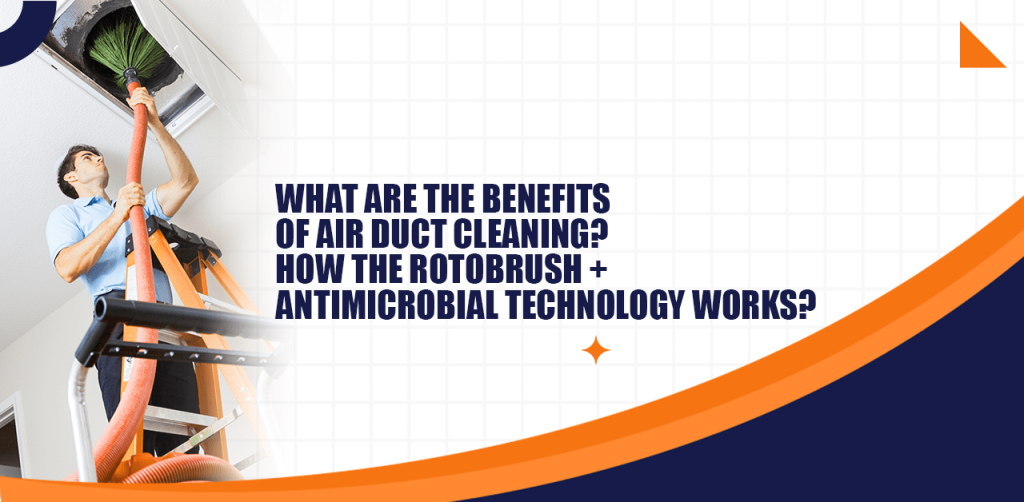
Indoor air quality has become a critical health and comfort concern in modern buildings, with air duct systems serving as the circulatory system that distributes conditioned air throughout residential and commercial spaces. Over time, these vital pathways accumulate dust, debris, allergens, and microbial contaminants that significantly impact air quality, energy efficiency, and occupant health. Professional air duct cleaning, particularly when enhanced with advanced technologies like Rotobrush systems and antimicrobial treatments, offers complete solutions to these challenges.
The evolution of air duct cleaning technology has transformed what was once a basic maintenance service into a health and efficiency optimization process. Modern Rotobrush systems combined with antimicrobial technology provide unprecedented cleaning effectiveness while establishing long-term protection against microbial contamination. Understanding these benefits and technologies empowers property owners to make informed decisions about their indoor air quality management and AC & HVAC system maintenance.
This complete guide explores the multifaceted benefits of professional air duct cleaning, the revolutionary Rotobrush technology, and the science behind antimicrobial treatments that together create healthier, more efficient indoor environments. From immediate health improvements to long-term energy savings, this analysis provides the complete picture of why air duct cleaning has become an essential component of modern building maintenance.
Understanding Air Duct Contamination: The Problem
Common Contaminants in Air Duct Systems
Particulate Matter Accumulation:
Air duct systems naturally collect various particles as air circulates through the HVAC system, creating a complex mixture of contaminants that can significantly impact indoor air quality and system performance.
Primary Contaminant Categories:
| Contaminant Type | Sources | Health Impact | System Impact |
| Dust and Debris | Outdoor air, human activity, and building materials | Respiratory irritation, allergic reactions | Reduced airflow, decreased efficiency |
| Biological Contaminants | Mold, bacteria, viruses, pollen | Infections, allergic reactions, asthma triggers | System corrosion, blocked airways |
| Chemical Residues | Cleaning products, tobacco smoke, VOCs | Respiratory issues, headaches, and chemical sensitivity | Component degradation, odor problems |
| Pet Dander | Cats, dogs, other pets | Severe allergic reactions, asthma exacerbation | Filter clogging, airflow restriction |
| Construction Debris | Renovation, new construction | Respiratory irritation, eye problems | Mechanical damage, system blockages |
Microbial Growth Environments
HVAC systems create ideal conditions for microbial growth through moisture accumulation, organic material presence, and temperature variations that support bacterial, fungal, and viral proliferation.
Factors Promoting Microbial Growth:
- Moisture accumulation from condensation and humidity control
- Organic matter provides nutrient sources for growth
- Temperature fluctuations create favorable growth conditions
- Limited air circulation in unused or blocked duct sections
- Poor maintenance allows contaminant accumulation
Health Implications of Contaminated Air Ducts
Respiratory Health Effects:
Contaminated air ducts directly impact respiratory health by continuously circulating pollutants, allergens, and pathogens throughout indoor spaces, creating chronic exposure conditions that can trigger or exacerbate respiratory conditions.
Documented Health Effects:
| Condition | Contamination Trigger | Symptom Severity | Population Risk |
| Asthma | Dust mites, mold spores, pet dander | Severe attacks, chronic symptoms | Children, the elderly, and existing sufferers |
| Allergic Rhinitis | Pollen, dust, pet allergens | Persistent symptoms, medication dependence | Genetically predisposed individuals |
| Respiratory Infections | Bacteria, viruses, fungi | Acute illness, chronic complications | Immunocompromised individuals |
| Chemical Sensitivity | VOCs, cleaning residues | Headaches, fatigue, and breathing difficulty | Sensitive individuals, pregnant women |
| Sick Building Syndrome | Multiple contaminant exposure | Fatigue, headaches, and concentration problems | All occupants, office workers |
Long-term Health Consequences
Chronic exposure to contaminated air through HVAC systems can lead to serious long-term health consequences, particularly for vulnerable populations, including children, elderly individuals, and those with existing health conditions.
Long-term Health Risks:
- Chronic respiratory conditions requiring ongoing medical treatment
- Compromised immune system function reduces disease resistance
- Allergic sensitization increases reaction severity over time
- Cardiovascular stress from chronic inflammation responses
- Reduced cognitive function from poor air quality exposure
Complete Benefits of Professional Air Duct Cleaning
Immediate Health and Comfort Benefits
Indoor Air Quality Improvement:
Professional air duct cleaning provides immediate and dramatic improvements in indoor air quality by removing accumulated contaminants and establishing clean air circulation pathways throughout the building.
Measurable Air Quality Improvements:
| Air Quality Metric | Before Cleaning | After Professional Cleaning | Improvement Rate |
| Particulate Matter (PM2.5) | 25-45 μg/m³ | 8-15 μg/m³ | 60-70% reduction |
| Allergen Levels | High concentrations | Minimal detection | 80-95% reduction |
| Microbial Count | 1000+ CFU/m³ | <100 CFU/m³ | 90%+ reduction |
| VOC Concentrations | Elevated levels | Normal ranges | 50-80% reduction |
| Odor Elimination | Persistent odors | Fresh, clean air | Complete elimination |
Respiratory Symptom Relief
Individuals suffering from respiratory conditions often experience immediate relief following professional air duct cleaning, as clean air circulation reduces exposure to triggers and irritants.
Documented Symptom Improvements:
- Reduced asthma attack frequency and severity within 1-2 weeks
- Decreased allergy symptom intensity and medication requirements
- Improved sleep quality from reduced nighttime respiratory irritation
- Enhanced daily comfort and productivity levels
- Reduced eye, nose, and throat irritation complaints
Energy Efficiency and System Performance Benefits
HVAC System Efficiency Enhancement
Clean air ducts dramatically improve HVAC system efficiency by removing airflow obstructions, reducing system strain, and optimizing air distribution throughout the building.
System Performance Improvements:
| Performance Metric | Dirty System | Clean System | Efficiency Gain |
| Airflow Volume | Reduced 20-40% | Optimal design capacity | 25-40% improvement |
| Energy Consumption | 15-25% above normal | Design specifications | 15-25% reduction |
| Temperature Consistency | ±4-6°F variations | ±1-2°F variations | 50-70% improvement |
| System Runtime | Extended cycles | Optimized cycles | 20-30% reduction |
| Filter Lifespan | 1-2 months | 3-6 months | 200-300% extension |
Cost Savings Analysis
The energy efficiency improvements and reduced maintenance requirements from professional air duct cleaning generate substantial cost savings that often exceed the service investment within the first year.
Annual Cost Savings Breakdown:
- Energy Bills: 15-25% reduction in heating and cooling costs
- Filter Replacement: 50-70% reduction in filter purchase frequency
- System Maintenance: 30-50% reduction in repair and service calls
- Equipment Lifespan: 25-40% extension of HVAC system life
- Medical Costs: Reduced healthcare expenses from improved air quality
Long-term Property Value and Maintenance Benefits
Property Value Enhancement
Clean, well-maintained HVAC systems with documented professional cleaning history enhance property value and marketability, particularly in competitive real estate markets.
Property Value Benefits:
- Increased market appeal to health-conscious buyers and tenants
- Demonstrated commitment to building maintenance and occupant health
- Reduced due diligence concerns regarding indoor air quality
- Enhanced energy efficiency ratings and certifications
- Lower insurance premiums through risk reduction
Preventive Maintenance Advantages
Regular professional air duct cleaning serves as preventive maintenance that identifies potential problems early, prevents costly repairs, and extends overall system lifespan.
Maintenance Benefits:
- Early detection of duct damage, leaks, and system inefficiencies
- Prevention of major contamination events requiring extensive remediation
- Reduced wear on HVAC components through improved airflow
- Extended equipment warranty compliance through proper maintenance
- Systematic documentation supporting maintenance planning
Rotobrush Technology: Revolutionary Cleaning Innovation
Understanding Rotobrush System Technology
Advanced Mechanical Cleaning Process
The Rotobrush system represents a revolutionary advancement in air duct cleaning technology, utilizing a combination of mechanical agitation, powerful suction, and compressed air to achieve unprecedented cleaning effectiveness.
Rotobrush System Components:
| Component | Function | Technology Innovation |
| Rotating Brush Head | Mechanical debris removal | Variable speed, multi-directional bristles |
| Compressed Air System | Debris agitation and mobilization | High-pressure, pulsed air delivery |
| Vacuum Collection | Contaminate capture and removal | HEPA filtration, negative pressure |
| Video Inspection | Real-time cleaning verification | High-resolution cameras, documentation |
| Flexible Drive System | Navigate complex ductwork | Remote-controlled, precision maneuvering |
Cleaning Process Methodology
The Rotobrush system employs a systematic, multi-stage cleaning process that ensures complete contamination removal while protecting duct integrity and system components.
Step-by-Step Cleaning Process:
- Pre-Inspection: Video inspection documenting initial contamination levels
- System Preparation: Sealing registers and establishing negative pressure
- Mechanical Agitation: Rotating brushes dislodging embedded debris
- Compressed Air Application: High-pressure air mobilizes stubborn contaminants
- Vacuum Extraction: HEPA-filtered suction removing all mobilized debris
- Post-Cleaning Inspection: Video verification of cleaning effectiveness
- Antimicrobial Application: Optional protective treatment application
Rotobrush vs Traditional Cleaning Methods
Comparative Effectiveness Analysis
| Cleaning Aspect | Traditional Methods | Rotobrush Technology | Advantage |
| Debris Removal | 60-75% effectiveness | 90-95% effectiveness | 30-35% superior |
| Deep Cleaning | Surface cleaning only | Complete wall cleaning | Comprehensive removal |
| System Access | Limited reach | Complete system access | 100% coverage |
| Cleaning Verification | Visual inspection only | Video documentation | Verified results |
| Time Efficiency | 4-8 hours | 2-4 hours | 50% faster |
| Cross-Contamination | Risk of spreading debris | Contained removal process | Eliminated risk |
Technical Advantages
Rotobrush Technology Benefits:
- Complete Debris Removal: Mechanical agitation removes embedded contaminants that vacuum-only methods cannot address
- Duct Wall Restoration: Rotating brushes restore original duct surface conditions
- Real-Time Verification: Video inspection provides immediate cleaning confirmation
- System Protection: Controlled pressure prevents duct damage during cleaning
- Comprehensive Coverage: Flexible system reaches all ductwork areas, including turns and joints
Professional Implementation Requirements
Equipment Specifications and Operator Training:
Effective Rotobrush system utilization requires specialized equipment, comprehensive operator training, and systematic implementation protocols to ensure optimal results and system safety.
Professional Requirements:
- Certified Equipment: Commercial-grade Rotobrush systems with current calibration
- Operator Certification: Manufacturer training and continuing education requirements
- Safety Protocols: Comprehensive safety procedures protecting technicians and occupants
- Quality Standards: Systematic cleaning protocols ensuring consistent results
- Documentation Systems: Video recording and reporting systems for client verification
Service Quality Assurance
Quality Control Measures:
- Pre and post-cleaning video documentation
- Air quality testing before and after service
- Customer walkthrough and education
- Warranty and guarantee provisions
- Follow-up inspection and maintenance scheduling
Antimicrobial Technology: Advanced Protection Systems
Understanding Antimicrobial Treatment Science
Antimicrobial Agent Categories
Modern antimicrobial treatments for HVAC systems utilize advanced chemical and biological agents specifically designed to eliminate existing microbial contamination while providing long-term protection against future growth.
Antimicrobial Agent Types:
| Agent Category | Active Ingredients | Effectiveness Spectrum | Duration |
| EPA-Registered Disinfectants | Quaternary ammonium compounds | Bacteria, viruses, fungi | 6-12 months |
| Silver Ion Technology | Stabilized silver particles | Broad-spectrum antimicrobial | 12-24 months |
| Photocatalytic Oxidation | Titanium dioxide activated | Continuous air purification | 2-5 years |
| Probiotic Treatments | Beneficial bacteria cultures | Natural biological control | 3-6 months |
| UV-C Integration | Ultraviolet-C radiation | Real-time pathogen elimination | Continuous |
Application Methods and Technologies
Professional antimicrobial treatments employ sophisticated application methods ensuring comprehensive coverage, optimal effectiveness, and long-term protection throughout the entire HVAC system.
Application Technologies:
- Electrostatic Spraying: Positively charged particles ensure complete surface coverage
- Fogging Systems: Ultra-fine mist penetration reaching all system areas
- Brush Application: Direct application to heavily contaminated surfaces
- Injection Systems: Targeted delivery to specific problem areas
- Integration Coatings: Permanent antimicrobial surface treatments
Health and Safety Benefits of Antimicrobial Treatment
Pathogen Elimination Effectiveness:
Professional antimicrobial treatments provide comprehensive pathogen elimination that goes beyond simple cleaning to establish protective barriers against future contamination events.
Pathogen Elimination Rates:
| Microorganism Type | Standard Cleaning | Antimicrobial Treatment | Enhancement Factor |
| Bacteria (E. coli, Staph) | 70-85% reduction | 99.9% elimination | 14-30x more effective |
| Viruses (Influenza, Coronavirus) | 60-80% reduction | 99.5% elimination | 20-40x more effective |
| Mold and Fungi | 65-75% reduction | 99.8% elimination | 25-35x more effective |
| Allergens | 70-80% reduction | 95-99% elimination | 5-10x more effective |
| Odor-Causing Bacteria | 50-70% reduction | 99% elimination | 30-50x more effective |
Long-term Health Protection
Antimicrobial treatments provide ongoing health protection by creating hostile environments for pathogen growth while maintaining safe conditions for building occupants.
Sustained Health Benefits:
- Continuous pathogen growth prevention for 6-24 months, depending on treatment type
- Reduced respiratory infection transmission in shared spaces
- Enhanced protection for immunocompromised individuals
- Allergen level maintenance at significantly reduced concentrations
- Odor prevention from microbial sources
Advanced Antimicrobial Technologies
Silver Ion Antimicrobial Systems
Silver ion technology represents one of the most effective and long-lasting antimicrobial treatments, utilizing the natural antimicrobial properties of silver in stabilized, safe formulations.
Silver Ion Technology Benefits:
- Broad Spectrum Activity: Effective against bacteria, viruses, mold, and algae
- Long-lasting Protection: 12-24 months of continuous antimicrobial activity
- Safe Application: Non-toxic to humans and pets when properly applied
- Residue-Free: Invisible application without odors or surface changes
- Heat Stable: Maintains effectiveness through HVAC temperature variations
Photocatalytic Oxidation (PCO) Technology
PCO technology utilizes titanium dioxide catalysts activated by UV light to create continuous air purification that destroys contaminants at the molecular level.
PCO System Advantages:
- Continuous Operation: 24/7 air purification without consumable replacement
- Molecular Destruction: Complete elimination rather than simple capture
- Energy Efficient: Low power consumption with high effectiveness
- Maintenance Free: No filter replacement or chemical replenishment
- Environmentally Safe: No harmful byproducts or chemical residues
Integration: Rotobrush + Antimicrobial Combined Treatment
Synergistic Technology Benefits
Enhanced Cleaning Effectiveness
The combination of Rotobrush mechanical cleaning with antimicrobial treatment creates synergistic effects that dramatically exceed the benefits of either technology used independently.
Combined Technology Advantages:
| Benefit Category | Rotobrush Only | Antimicrobial Only | Combined Treatment |
| Initial Cleaning | 90-95% debris removal | Limited physical removal | 95-99% comprehensive cleaning |
| Microbial Elimination | Physical removal only | Chemical/biological kill | Complete removal + kill |
| Long-term Protection | None | 6-24 months | 12-36 months enhanced |
| System Restoration | Mechanical cleaning | No physical improvement | Complete restoration + protection |
| Air Quality Improvement | Immediate improvement | Gradual improvement | Maximum immediate + sustained |
Optimal Treatment Protocol
Professional implementation of combined Rotobrush and antimicrobial treatment follows systematic protocols ensuring maximum effectiveness and long-term protection.
Integrated Treatment Process:
- Initial Assessment: Comprehensive system inspection and contamination evaluation
- Pre-Treatment Preparation: System isolation and protective measures
- Rotobrush Cleaning: Complete mechanical cleaning and debris removal
- Surface Preparation: Final cleaning verification and surface preparation
- Antimicrobial Application: Comprehensive treatment application using appropriate technology
- Curing Period: Allowing treatment to establish protective barriers
- Post-Treatment Verification: Air quality testing and system performance evaluation
- Maintenance Planning: Long-term maintenance and reapplication scheduling
Cost-Benefit Analysis of Combined Treatment
Investment vs Return Analysis
| Investment Category | Initial Cost | Annual Savings | ROI Timeline |
| Residential System | $800-1,500 | $300-600 | 1.5-3 years |
| Commercial System | $2,000-5,000 | $1,000-3,000 | 1-2.5 years |
| Large Commercial | $5,000-15,000 | $3,000-8,000 | 1.5-2 years |
| Healthcare Facility | $10,000-25,000 | $5,000-15,000 | 1-2.5 years |
Complete Value Proposition
Total Value Analysis:
- Health Benefits: Reduced medical costs, improved productivity, fewer sick days
- Energy Savings: 15-25% reduction in HVAC operating costs
- Maintenance Reduction: 30-50% decrease in system maintenance requirements
- Equipment Longevity: 25-40% extension of HVAC system lifespan
- Property Value: Enhanced building value and marketability
Industry Applications and Case Studies
Residential Applications
Single-Family Home Benefits:
Residential air duct cleaning with Rotobrush and antimicrobial treatment provides comprehensive benefits for homeowners seeking optimal indoor air quality and system efficiency.
Typical Residential Results:
- Air Quality: 60-80% improvement in overall indoor air quality measurements
- Allergy Relief: 70-90% reduction in allergy symptoms for sensitive family members
- Energy Bills: 15-25% reduction in heating and cooling costs
- System Performance: Improved temperature consistency and comfort levels
- Odor Elimination: Complete elimination of persistent HVAC-related odors
Multi-Family Housing Applications
Apartment buildings and condominiums benefit significantly from professional duct cleaning due to shared ventilation systems and higher occupancy densities.
Multi-Family Benefits:
- Reduced cross-contamination between units
- Enhanced property value and tenant satisfaction
- Lower maintenance costs across multiple units
- Improved energy efficiency for the entire building
- Reduced liability from indoor air quality complaints
Commercial and Healthcare Applications
Office Building Improvements
Commercial office buildings achieve significant benefits from professional air duct cleaning, particularly important for employee health, productivity, and building operating costs.
Commercial Building Results:
| Improvement Area | Before Treatment | After Treatment | Business Impact |
| Sick Days | 8-12 days/employee/year | 4-6 days/employee/year | 50% reduction |
| Productivity | Baseline performance | 10-15% improvement | Increased revenue |
| Energy Costs | High HVAC expenses | 20-30% reduction | Direct cost savings |
| Tenant Satisfaction | Moderate satisfaction | High satisfaction | Retention improvement |
| Building Value | Standard market value | Premium positioning | Asset appreciation |
Healthcare Facility Requirements
Healthcare facilities require the highest standards of air quality and contamination control, making professional duct cleaning with antimicrobial treatment essential for infection control and patient safety.
Healthcare-Specific Benefits:
- Infection Control: Dramatic reduction in airborne pathogen transmission
- Patient Safety: Enhanced protection for immunocompromised patients
- Regulatory Compliance: Meeting or exceeding healthcare air quality standards
- Staff Health: Reduced occupational exposure to airborne contaminants
- Liability Reduction: Demonstrated commitment to patient and staff safety
Specialized Environment Applications
Clean Room and Laboratory Facilities:
Facilities requiring controlled environments benefit significantly from advanced duct cleaning and antimicrobial treatment to maintain critical air quality standards.
Food Service and Processing:
Restaurants, commercial kitchens, and food processing facilities require specialized air quality management to prevent contamination and ensure food safety compliance.
Maintenance and Long-term Management
Preventive Maintenance Strategies
Systematic Maintenance Planning:
Effective long-term air quality management requires systematic maintenance planning that integrates professional cleaning with ongoing monitoring and preventive measures.
Recommended Maintenance Schedule:
| Facility Type | Initial Treatment | Follow-up Cleaning | Antimicrobial Renewal | Air Quality Testing |
| Residential | Comprehensive treatment | 3-5 years | 1-2 years | Annual |
| Commercial Office | Comprehensive treatment | 2-3 years | 1-2 years | Semi-annual |
| Healthcare | Comprehensive treatment | 1-2 years | 6-12 months | Quarterly |
| Food Service | Comprehensive treatment | 1-2 years | 6-12 months | Quarterly |
| Clean Room | Comprehensive treatment | 6-12 months | 6 months | Monthly |
Performance Monitoring Systems
Ongoing monitoring systems help maintain optimal air quality and identify when maintenance or re-treatment is necessary.
Monitoring Technologies:
- Air Quality Sensors: Continuous monitoring of particulate matter and contaminants
- Microbial Testing: Regular sampling to verify antimicrobial effectiveness
- Energy Monitoring: System efficiency tracking to identify performance degradation
- Filter Analysis: Regular filter inspection to assess contamination levels
- Professional Inspections: Annual professional system evaluations
Quality Assurance and Warranty Programs
Service Warranties and Guarantees:
Professional air duct cleaning services typically provide comprehensive warranties covering both cleaning effectiveness and antimicrobial treatment performance.
Standard Warranty Coverage:
- Cleaning Effectiveness: Guarantee of debris removal and system restoration
- Antimicrobial Performance: Verified microbial reduction and protection duration
- System Protection: Warranty against cleaning-related damage
- Air Quality Improvement: Measurable air quality enhancement guarantee
- Customer Satisfaction: Service quality and performance guarantees
Long-term Service Relationships
Establishing long-term relationships with professional service providers ensures consistent quality, preferred pricing, and complete system knowledge.
Long-term Partnership Benefits:
- Detailed system history and maintenance records
- Preferred customer pricing and scheduling priority
- Customized maintenance plans based on specific needs
- Emergency response and priority service availability
- Technology updates and service enhancement access
Future Innovations and Emerging Technologies
Advanced Technology Development
Smart HVAC Integration:
Emerging technologies integrate air duct cleaning and antimicrobial treatment with smart building systems for automated monitoring and maintenance optimization.
Smart Technology Integration:
- IoT Sensors: Real-time air quality monitoring and automated alerts
- AI Analytics: Predictive maintenance scheduling based on usage patterns
- Remote Monitoring: Professional service provider access to system performance data
- Automated Treatment: Scheduled antimicrobial treatment delivery systems
- Energy Optimization: AI-driven system operation optimization for efficiency and air quality
Nanotechnology Applications
Nanotechnology developments promise enhanced antimicrobial effectiveness and longer-lasting protection through advanced material science applications.
Nanotechnology Innovations:
- Nanoparticle Coatings: Self-cleaning surfaces with permanent antimicrobial properties
- Smart Materials: Responsive coatings that activate when contamination is detected
- Enhanced Delivery: Targeted antimicrobial delivery for maximum effectiveness
- Environmental Monitoring: Nano-sensors for molecular-level contamination detection
- Self-Healing Systems: Coatings that repair and renew themselves over time
Industry Evolution and Standards Development
Regulatory Development:
The air duct cleaning industry continues evolving with enhanced regulations, standards, and certification requirements, ensuring service quality and effectiveness.
Emerging Standards:
- Performance Standards: Quantitative effectiveness requirements for cleaning services
- Technology Certification: Equipment and treatment technology approval processes
- Operator Licensing: Enhanced training and certification requirements for technicians
- Health Safety Standards: Stricter protocols protecting both occupants and service personnel
- Environmental Compliance: Green technology requirements and sustainability standards
Conclusion
The benefits of professional air duct cleaning, particularly when enhanced with advanced Rotobrush technology and antimicrobial treatments, extend far beyond simple maintenance to encompass complete health protection, energy efficiency optimization, and long-term property value enhancement. The scientific evidence supporting these benefits, combined with measurable improvements in air quality, system performance, and occupant health, establishes air duct cleaning as an essential component of modern building maintenance.
Rotobrush technology represents a revolutionary advancement that transforms air duct cleaning from a basic service to a precision restoration process. The mechanical agitation, controlled suction, and real-time verification capabilities ensure comprehensive debris removal and system restoration that traditional methods cannot achieve. When combined with advanced antimicrobial treatments, the synergistic effects create long-lasting protection that maintains optimal air quality and system performance for years.
The investment in professional air duct cleaning with advanced technology pays dividends through immediate health improvements, sustained energy savings, reduced maintenance costs, and enhanced property values. For vulnerable populations, including children, elderly individuals, and those with respiratory conditions, the health benefits alone justify the investment. Commercial properties benefit through improved employee productivity, reduced sick leave, and enhanced tenant satisfaction that directly impacts profitability.
As technology continues advancing with smart system integration, nanotechnology applications, and enhanced monitoring capabilities, the benefits of professional air duct cleaning will only increase. Early adopters of these technologies position themselves at the forefront of indoor air quality management while immediately benefiting from cleaner, healthier, and more efficient indoor environments.
The choice to invest in professional air duct cleaning with Rotobrush and antimicrobial technology represents a commitment to health, efficiency, and long-term property stewardship. In an era where indoor air quality has become a critical health concern, these services provide not just cleaning but comprehensive air quality optimization that creates healthier, more comfortable, and more valuable indoor spaces.
Frequently Asked Questions (FAQs)
What are the main health benefits of professional air duct cleaning?
Professional air duct cleaning provides significant health benefits, including 60-80% improvement in indoor air quality, 80-95% reduction in allergen levels, 90%+ reduction in microbial contamination, and dramatic relief from respiratory symptoms. Benefits include reduced asthma attacks, decreased allergy symptoms, improved sleep quality, and enhanced daily comfort. The removal of dust, mold, bacteria, pet dander, and other contaminants creates a healthier indoor environment, particularly beneficial for children, elderly individuals, and those with respiratory conditions or compromised immune systems.
How does Rotobrush technology differ from traditional duct cleaning methods?
Rotobrush technology achieves 90-95% debris removal effectiveness compared to 60-75% for traditional methods through its combination of rotating brushes, compressed air, and powerful suction. Unlike traditional vacuum-only methods, Rotobrush mechanically agitates and dislodges embedded debris from duct walls, provides complete system access including turns and joints, offers real-time video verification of cleaning effectiveness, and prevents cross-contamination through contained removal processes. The system is 50% faster than traditional methods while providing superior results and comprehensive documentation.
How long does antimicrobial treatment last in air ducts?
Antimicrobial treatment duration depends on the technology used: EPA-registered disinfectants last 6-12 months, silver ion technology provides 12-24 months of protection, photocatalytic oxidation systems last 2-5 years, and probiotic treatments require renewal every 3-6 months. Professional-grade antimicrobial treatments typically maintain 99.9% pathogen elimination effectiveness throughout their duration. Factors affecting longevity include system usage, environmental conditions, contamination levels, and treatment type. Regular air quality testing helps determine optimal reapplication timing.
How much can air duct cleaning improve energy efficiency?
Professional air duct cleaning typically improves HVAC energy efficiency by 15-25% through enhanced airflow, reduced system strain, and optimized air distribution. Clean systems show 25-40% improved airflow volume, 50-70% better temperature consistency, and 20-30% reduced system runtime. Filter lifespan extends 200-300%, and overall system maintenance requirements decrease by 30-50%. These improvements result in measurable energy bill reductions and extended equipment lifespan of 25-40%, providing substantial cost savings that often exceed the cleaning investment within the first year.
Is the combination of Rotobrush and antimicrobial treatment worth the extra cost?
The combined treatment provides synergistic benefits exceeding individual technologies: 95-99% comprehensive cleaning versus 90-95% for Rotobrush alone, complete microbial elimination plus ongoing protection, and 12-36 months of enhanced protection versus shorter individual durations. For residential systems costing $800-1,500, annual savings of $300-600 provide a 1.5-3 year ROI. Commercial systems show even better returns with 1-2.5 year payback periods. The combination maximizes immediate air quality improvement while providing long-term protection, making it cost-effective for most applications.